Camberwell SE5 rubbish removal for Denmark Hill station pickups
Posted on 13/08/2026
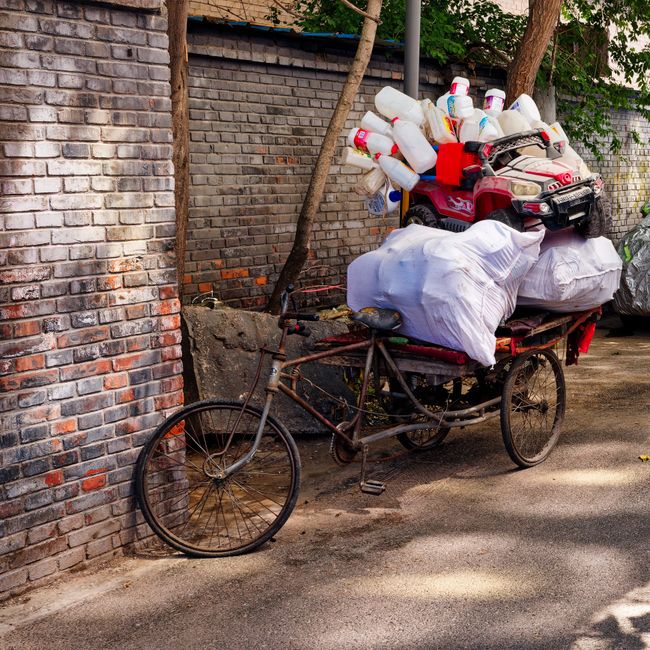
If you live, work, or are clearing a property near Denmark Hill station, rubbish can become awkward fast. Bags pile up, bulky items get in the way, and the timing of a pickup suddenly matters because of station traffic, narrow roads, and the usual London squeeze. Camberwell SE5 rubbish removal for Denmark Hill station pickups is really about making that whole job simpler: a collection that fits the local area, keeps the kerbside clear, and gets waste moved on without turning your day into a small disaster.
That might sound straightforward, but local rubbish removal near a busy station needs a bit more thought than a standard "pick it up and go" job. In this guide, we'll walk through how the process works, who it suits, what to watch out for, and how to choose the right approach for furniture, household waste, garden cuttings, builders' debris, and mixed clearances. We'll also cover practical compliance points and a few helpful links to related services if your job turns out to be bigger than a simple pickup.
Why Camberwell SE5 rubbish removal for Denmark Hill station pickups Matters
Denmark Hill station is a busy local hub, and that matters more than people expect when rubbish is involved. Around stations, pickup windows can be tighter, parking can be fiddly, and foot traffic is usually constant. If you have a sofa outside for too long or a stack of black bags leaning against a wall, you are not just dealing with clutter. You are also dealing with inconvenience, visual mess, possible obstruction, and sometimes neighbour complaints. Nobody wants that.
For Camberwell households and small businesses, a station-area pickup is often the difference between "this is finally gone" and "we'll sort it next week" dragging on for another month. That delay can become costly in everyday ways: missed moving deadlines, blocked hallways, extra stress before an end-of-tenancy clean, or waste sitting around while you wait for a larger solution. It sounds minor until the rain comes in and cardboard starts getting soft. Then it feels very real, very quickly.
There is also a practical safety side. Near a station, pickups need to be tidy, quick, and organised. Waste left in the wrong place can become a trip hazard for pedestrians, and bulky items can be awkward for neighbours or passers-by. Good rubbish removal near Denmark Hill should reduce friction, not add to it. That is the point, really.
For more context on how a broader clearance can fit around a local pickup, it can help to look at Camberwell rubbish collection in SE5 and, for larger clear-outs, waste clearance in Camberwell.
How Camberwell SE5 rubbish removal for Denmark Hill station pickups Works
The process is usually simple from the customer side, even if the logistics behind it are a bit more involved. You describe what needs removing, confirm the type of waste, and arrange a collection time that suits the local access conditions. For a station pickup, timing is important. A good pickup window avoids peak congestion, reduces waiting around, and makes it easier to load items without fuss.
In practical terms, the job usually follows this pattern:
- Initial assessment - You list the items or send photos if requested. This helps estimate volume and identify any awkward materials.
- Pickup planning - The collection is timed around access, parking, and whether the waste is inside, at the kerb, or in a rear space.
- Loading - Items are removed by hand or with suitable equipment. For station-area work, speed and neatness matter.
- Sorting - Reusable, recyclable, and disposal-only materials are separated where possible.
- Transport and disposal - Waste is taken away for appropriate handling, with care taken to follow the correct disposal route.
That last step is where a professional operator earns its keep. Mixed waste is not always straightforward. A pile of cardboard, broken furniture, and garden cuttings may look like "just rubbish," but it often needs separate handling. If you are clearing out a flat near the station, you may also be dealing with white goods, old fixtures, or bags of household clutter. In that case, a more complete service like house clearance in Camberwell or SE5 house clearance can make more sense than a one-off load-and-go pickup.
If the job is mainly furniture, it is worth comparing options with furniture removal in Camberwell or furniture disposal in Camberwell. If you are unsure, ask yourself: am I removing one or two awkward items, or am I clearing enough to fill a room? That answer usually points you in the right direction.
Key Benefits and Practical Advantages
The biggest benefit is convenience, but let's not leave it at that. Convenience is a broad word. What people really mean is less disruption, less lifting, less waiting, and fewer trips to deal with waste themselves.
- Fast local response: Helpful when you are tied to a move-out, a delivery slot, or a last-minute tidy-up near the station.
- Better access management: Collection plans can be shaped around local parking and loading realities.
- No skip taking up space: This is useful where front gardens, narrow streets, or shared access make a skip impractical.
- Reduced physical strain: Bulky waste can be awkward, and not everyone wants to carry old shelving down two flights of stairs.
- Cleaner handover: Particularly important for tenants, landlords, and anyone preparing a property for sale or rent.
- More responsible disposal: Proper sorting helps keep reusable and recyclable materials out of general waste where possible.
There is also a peace-of-mind benefit. You know the job is being handled rather than sitting on your to-do list like an annoying little reminder every time you walk past it. To be fair, that alone can be worth it after a long week.
For garden-related waste, a targeted service such as Camberwell garden waste removal SE5 is often the better fit. For mixed loads, a broader rubbish removal approach tends to be more flexible. If your pile includes packaging, damaged household bits, or general clutter, some useful reading is available in smart strategies for cardboard and packaging disposal.
Who This Is For and When It Makes Sense
This type of pickup suits a surprisingly wide range of people. It is not just for people with "big clear-outs." Sometimes it is the small, annoying jobs that benefit the most.
- Tenants moving out who need leftover items removed before check-out.
- Landlords and letting agents preparing a flat between occupancies.
- Homeowners clearing garages, spare rooms, lofts, or front gardens.
- People dealing with inherited belongings who need a careful, staged approach.
- Small businesses near Denmark Hill station with office clutter, broken furniture, or packaging waste.
- Tradespeople needing removal of builders' offcuts, rubble, or dismantled materials after a job.
It also makes sense if you are trying to avoid skip hire because of space, permits, or simple practicality. A smaller collection can be easier than a full skip, especially when you only have a modest amount of waste and no desire to watch a skip sit outside the property for days. If you are weighing that up, skip hire simplified tips for beginners and breaking down mini skips are useful comparisons.
For emotionally sensitive clearances, such as sorting a relative's possessions, the practical side and the personal side often overlap. A bit of structure helps. The articles on organising a relative's things and arranging family inherited items offer a steadier way to plan that kind of job.
Step-by-Step Guidance
If you want the pickup to go smoothly, a little preparation goes a long way. Nothing elaborate. Just sensible, local, real-world prep.
- Sort what is going
Separate general waste, reusable items, recyclables, and anything that needs specialist handling. If you are not sure about an item, set it aside and ask before collection day. - Measure bulky pieces
A sofa, wardrobe, mattress, or broken desk may sound simple enough, but size and access matter. Knowing whether it will fit down the stairs matters even more, oddly enough. - Check access near the station
Think about where the vehicle can stop, whether there are loading restrictions, and how long the team will need to stay close to the property. - Move items to a sensible pickup point
When possible, stage rubbish in one clear area. That saves time and reduces the chance of something being missed. - Keep hazardous items separate
Paints, solvents, chemicals, batteries, and certain electrical items may need different handling. Do not tuck them into a general pile and hope for the best. - Confirm the load description
If you add extra items on the day, mention them. It avoids awkward surprises and keeps the job fair and orderly. - Walk through the area afterwards
A final check helps catch missed fragments, screws, broken glass, or stray packaging. It takes two minutes and saves headaches later.
A lot of people assume collection is all about lifting. It is not. The better the prep, the cleaner the result. Honestly, that is where the real win is.
Expert Tips for Better Results
Here is the practical stuff that makes a noticeable difference. Not glamorous, but useful.
- Choose the right collection type. If the job is mixed and bulky, do not force it into a narrow service type. A broader rubbish collection or waste clearance option is often better.
- Keep recyclable materials together. Cardboard, metal, and some clean plastics are easier to separate when they are not all tangled with food waste or soil.
- Break down what you safely can. Flat-pack furniture, fence panels, and cardboard boxes usually load more efficiently when dismantled. For guidance, see practical solutions for removing fence panels without a hassle.
- Be realistic about timing. If you need the collection before a viewing or after builders finish, book with a little breathing room. Traffic around stations can be unpredictable.
- Photograph the load. A quick photo helps avoid miscommunication. It also helps if you are comparing quotes.
- Do not hide awkward items. Old monitors, broken appliances, or mixed debris should be declared early.
One small but important tip: if your clearance is part of a bigger project, like moving house or emptying a loft, bundle related tasks together. The paperwork, access planning, and sorting are often the same. Services like loft clearance in Camberwell and office clearance in Camberwell can fit neatly into a wider tidy-up plan.

Common Mistakes to Avoid
The biggest mistakes are usually simple ones. That is the funny part. They are easy to avoid, but easy to make too.
- Leaving items ungrouped - Scattered waste slows everything down and makes it easier to miss bits.
- Ignoring access issues - If a vehicle cannot stop safely, you may end up with delays or extra handling.
- Assuming all waste is the same - It is not. Garden cuttings, bricks, appliances, and general rubbish often need different handling.
- Forgetting about hazardous items - This is the one people overlook most often.
- Booking too late - Especially around move-out dates, end-of-tenancy deadlines, or pre-renovation clearances.
- Overfilling the area - A tidy, staged pile is quicker and safer than a chaotic one.
Another common issue is underestimating mixed waste. A customer may think they have "just a few bags," and then there is a broken table, some timber, old paint tins, and three dismantled chairs hiding behind the shed. That is normal, by the way. It happens all the time. The trick is to spot it early.
Tools, Resources and Recommendations
You do not need a van full of gadgets to prepare for a rubbish pickup, but a few simple tools help.
- Heavy-duty bags for loose waste and lightweight clutter.
- Gloves for handling sharp or dirty materials.
- Labels or marker pens to separate keep, donate, recycle, and remove piles.
- Basic tools such as a screwdriver or small hammer for dismantling safe, simple items.
- Stretch wrap or rope for bundling loose materials like fencing or timber.
For people trying to reduce what ends up in the truck in the first place, a few related pages are worth a look: recycling and sustainability, household recycling strategies, and eco-friendly home tips for reducing waste.
If you are dealing with more serious clutter, or the kind of mess that feels like it has quietly multiplied in a corner over time, clutter removal and hoarder clean-up explains why a careful, patient method is usually best.
Law, Compliance, Standards, or Best Practice
With rubbish removal, the safest approach is to follow normal UK waste-handling best practice and use a registered waste carrier for disposal. That is the simple version. In everyday terms, it means the waste should be collected, moved, and disposed of responsibly, rather than dumped or passed along casually. If a provider cannot explain how they handle waste, that is a red flag.
For customers, the main practical responsibilities are usually straightforward:
- Do not include prohibited items unless they have been agreed in advance.
- Be honest about waste type so it can be handled correctly.
- Keep records or receipts where needed, especially for business jobs or repeat collections.
- Use suitable services for special materials such as appliances, builders' waste, or potentially hazardous items.
If you are handling business waste, the expectations are typically a bit stricter. Commercial jobs should be organised, documented where appropriate, and routed through proper disposal channels. For that reason, commercial waste removal in Camberwell is a better fit than a general household-style pickup. For construction leftovers, builders' waste disposal in Camberwell is usually the safer match.
We also recommend checking service terms, safety procedures, and payment details before booking. Not because every job is complicated, but because clarity saves time and prevents misunderstandings. Pages like waste carrier licence and compliance, insurance and safety, and payment and security can help set expectations.
Options, Methods, or Comparison Table
Choosing the right clearance method near Denmark Hill station usually comes down to space, waste type, timing, and how hands-on you want to be. Here is a simple comparison.
| Method | Best for | Advantages | Limitations |
|---|---|---|---|
| Station-area rubbish pickup | Small to medium loads, mixed household waste, bulky items | Quick, flexible, minimal disruption | Needs clear access and sensible staging |
| Skip hire | Projects with a lot of ongoing waste | Useful if the waste builds up over time | Space, permit, and loading issues can be awkward |
| Full house clearance | Large property clear-outs or probate-style jobs | Comprehensive and organised | May be more than you need for a modest pickup |
| Specialist item removal | Furniture, appliances, garden waste, builders' debris | More precise disposal route | Not ideal for mixed general clutter |
For people who are still deciding, the real question is not "which service is best in general?" It is "which service fits this exact job without creating extra mess or extra cost?" That is the bit people miss. A smaller, targeted pickup can often beat a bigger solution that sounds impressive but fits badly.
Case Study or Real-World Example
A fairly typical example: a Camberwell resident near Denmark Hill station was preparing to hand back a flat after a tenancy. The waste included a broken bedside cabinet, several bags of mixed clutter, a mattress protector, flattened cardboard, and a couple of awkward garden items stored on the balcony. Nothing dramatic. Just enough to be annoying.
The first instinct was to wait and "do a proper clear-out at the weekend." But the inspection date was close, and the station-side access meant parking would be tight on the day. So the load was sorted into categories first: furniture, general rubbish, cardboard, and garden bits. That reduced the amount of time spent outside, made the pickup neater, and meant nothing got mixed up at the last minute.
What made the difference was not brute force. It was planning. A few photos were taken, the more awkward items were flagged early, and the collection went ahead in one visit. The result was a clear hallway, a safer exit route, and a much calmer property handover. A small job, in one sense, but a big relief in another.
That sort of outcome is exactly why local rubbish removal near a station matters. It is not just about getting rid of things. It is about making the end of a busy period feel manageable again.
Practical Checklist
Use this quick checklist before your collection.
- Have I sorted waste into clear groups?
- Do I know which items are bulky, fragile, or potentially hazardous?
- Is access clear near the property and safe for loading?
- Have I measured anything large enough to cause problems?
- Are garden, furniture, builders', and general waste separated where possible?
- Have I flagged any appliances, batteries, paint, or special items?
- Do I know whether I need rubbish collection, waste clearance, or a larger house clearance?
- Have I taken photos for reference if needed?
- Is the area tidy enough for a fast pickup and a final sweep?
- Am I ready to ask for advice if one item seems tricky?
If you tick most of those boxes, you are already ahead of the curve. Truth be told, that is half the battle.
Conclusion
Camberwell SE5 rubbish removal for Denmark Hill station pickups works best when the job is treated as a local, practical, and carefully timed service rather than a vague "get rid of this stuff" request. The more clearly you define the waste, the better the access plan, and the smarter the disposal route, the smoother the result. That is true whether you are clearing a flat, dealing with a few awkward items, or managing a bigger mixed load.
If you are still weighing your options, start with the shape of the job: one-off pickup, furniture removal, garden waste, or full clearance. From there, it becomes much easier to choose the right path and avoid paying for a solution that does too much or too little.
And if the pile by the door is staring back at you, don't worry. It is fixable. It always is, one sensible step at a time.
Get a free quote today and see how much you can save.